The Unfolding Story of British Horse Racing Not Always a Spectacle
The Unfolding Story of British Horse Racing: Not Always a Spectacle
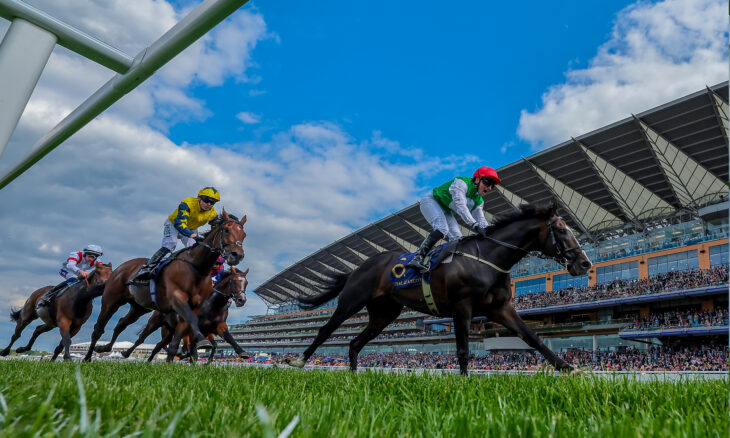
British horse racing is a long-standing tradition that stirs passion among fans and participants alike. However, there are times when races simply do not occur, whether due to unforeseen circumstances, weather-related cancellations, or other disruptions in the schedule. These “not on” moments create ripples throughout the community, affecting not just the corporate stakeholders but the fans, trainers, and horses as well. This article delves into the intricate dynamics that emerge when races are postponed or canceled, highlighting both the immediate and long-term impacts on the horse racing industry. Moreover, we also examine the role of organizations such as British horse racing not on GamStop Merseyside Mounted, which are integral to supporting the equestrian culture and ensuring safety during events.
The Importance of Scheduled Races
Horse racing in the UK is more than just a sport; it is a cultural event steeped in history. The Royal Ascot, Cheltenham Festival, and Epsom Derby are not only thrilling competitions but also occasions for socializing and community engagement. Each race day is meticulously planned to ensure a seamless experience for all involved. The anticipation builds among fans, and many place bets, creating an energetic atmosphere that is unique to horse racing.
However, when a race is “not on,” this creates a significant void. It alters the entire calendar for trainers, jockeys, and bettors. Trainers depend on the races to showcase their horses’ abilities, while bettors often plan their engagements around these events. A drop in the racing schedule can lead to financial implications for the industry, impacting everything from betting revenues to the livelihoods of those working behind the scenes.
Factors Leading to Races Being Canceled or Postponed
There are multiple reasons why a horse race may not take place as planned. Weather is one of the most common factors; heavy rain, snow, or high winds can render a track unsafe for both horses and jockeys. The integrity of the sport relies on ensuring safety, and officials are diligent about making that decision, even if it disappoints many fans.
Additionally, health crises such as outbreaks of equine influenza or other contagious diseases can lead to race cancellations. These situations are critical as they directly impact the safety of the horses and the overall welfare of the racing community. The precautions taken during such times can include quarantines or restrictions on horse movements, adding another layer of complexity to the sport.
Economic Implications of Canceled Races
The ramifications of canceled races extend beyond just disappointment. They have economic consequences that can ripple through various segments of the industry. For one, the betting market takes a hit. With many fans and bettors eagerly anticipating races, a sudden cancellation can lead to lost wagers and reduced revenues for bookmakers.
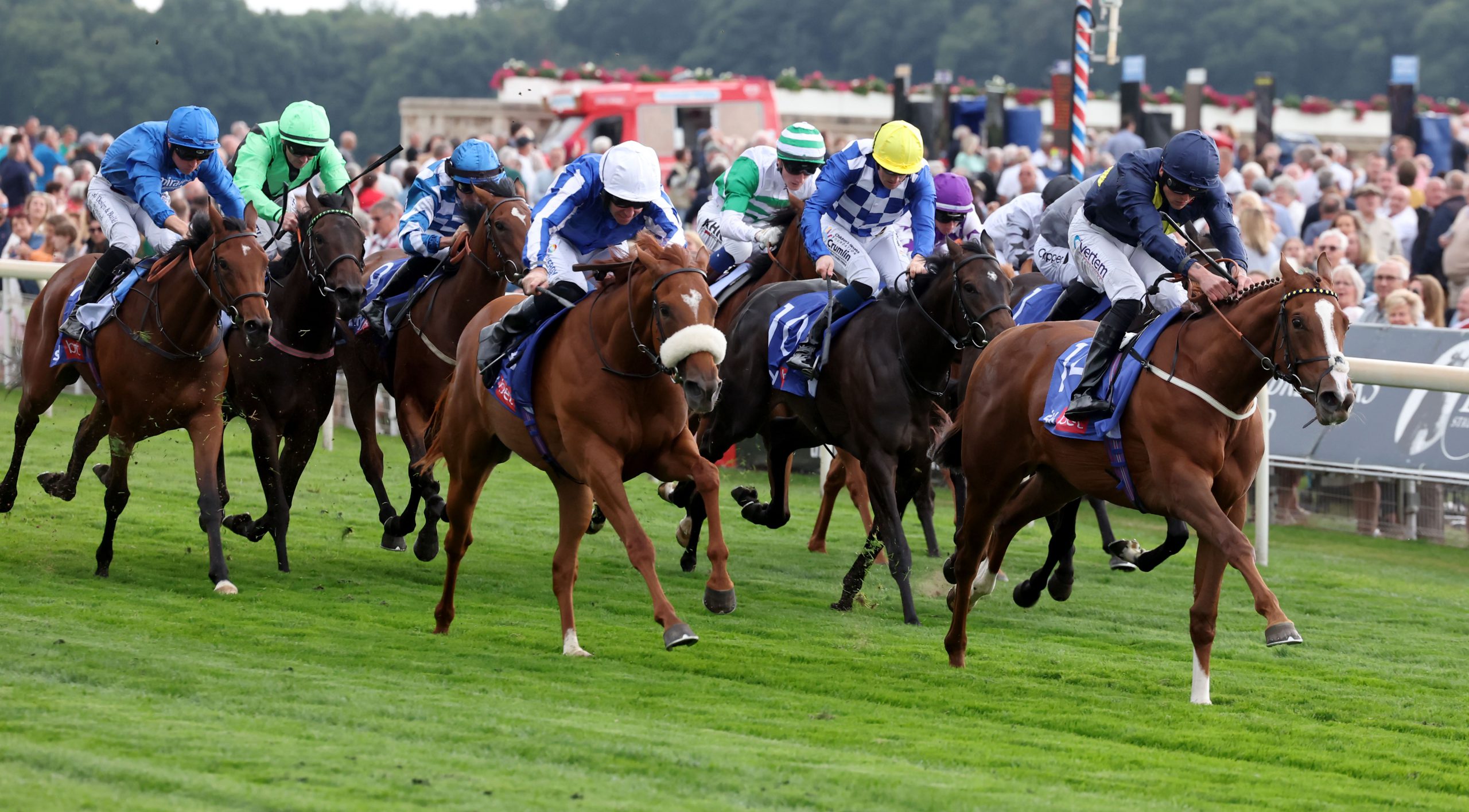
Moreover, the financial impact also affects the trainers, owners, and even the venues that host these races. Many people rely on the income generated during race days to sustain their livelihoods. As the calendar fills with open slots due to cancellation, the entire ecosystem built around horse racing can be put under stress.
Community Impact and Fan Response
Community engagement is another critical factor when races are not on. Race days attract not just hardcore fans but also families and casual observers who want to experience the event’s atmosphere. When races are canceled, local communities often find themselves losing a source of entertainment and revenue. Many towns and cities that host these events rely on the influx of visitors on race days; hotels, restaurants, and even local shops may see a decrease in business.
In response to canceled events, fans often express disappointment but also a remarkable resilience. Many take to social media to share their thoughts and hopes for rescheduled races. The passion and loyalty of the fanbase can outweigh the temporary setbacks, reaffirming the community’s commitment to the sport.
Innovative Solutions and Future Endeavors
To mitigate disruptions, the racing industry has been exploring various innovative solutions. One approach involves optimizing track technology to improve safety standards, making it less likely for weather to interfere with race schedules. Tracks can now employ better drainage systems to combat heavy rainfall or other weather-related challenges.
Additionally, some organizations within the industry are investing in virtual racing formats. While this cannot fully replace the thrill of live horse racing, it can serve as an engaging alternative for fans and bettors during canceled events. By leveraging digital platforms, the sport could continue fostering interest and engagement, even when traditional racing is on hold.
Conclusion: Embracing the Uncertainty
In conclusion, while British horse racing is often characterized by its exhilarating events, there are substantial moments when the races are “not on.” These moments challenge the integrity, community, and economic stability of the industry, yet they also present opportunities for growth and innovation. The collaboration between stakeholders, fans, and organizations like the Merseyside Mounted can pave the way for a more resilient future for British horse racing. Embracing uncertainty can ultimately lead to a stronger and more unified racing community.